Should You Buy an A320 or B737 Type Rating?
Buying an A320 or B737 type rating is usually a no. Costs, currency, written job letters, cadet packages, pay-to-fly traps, and why widebodies still wait.
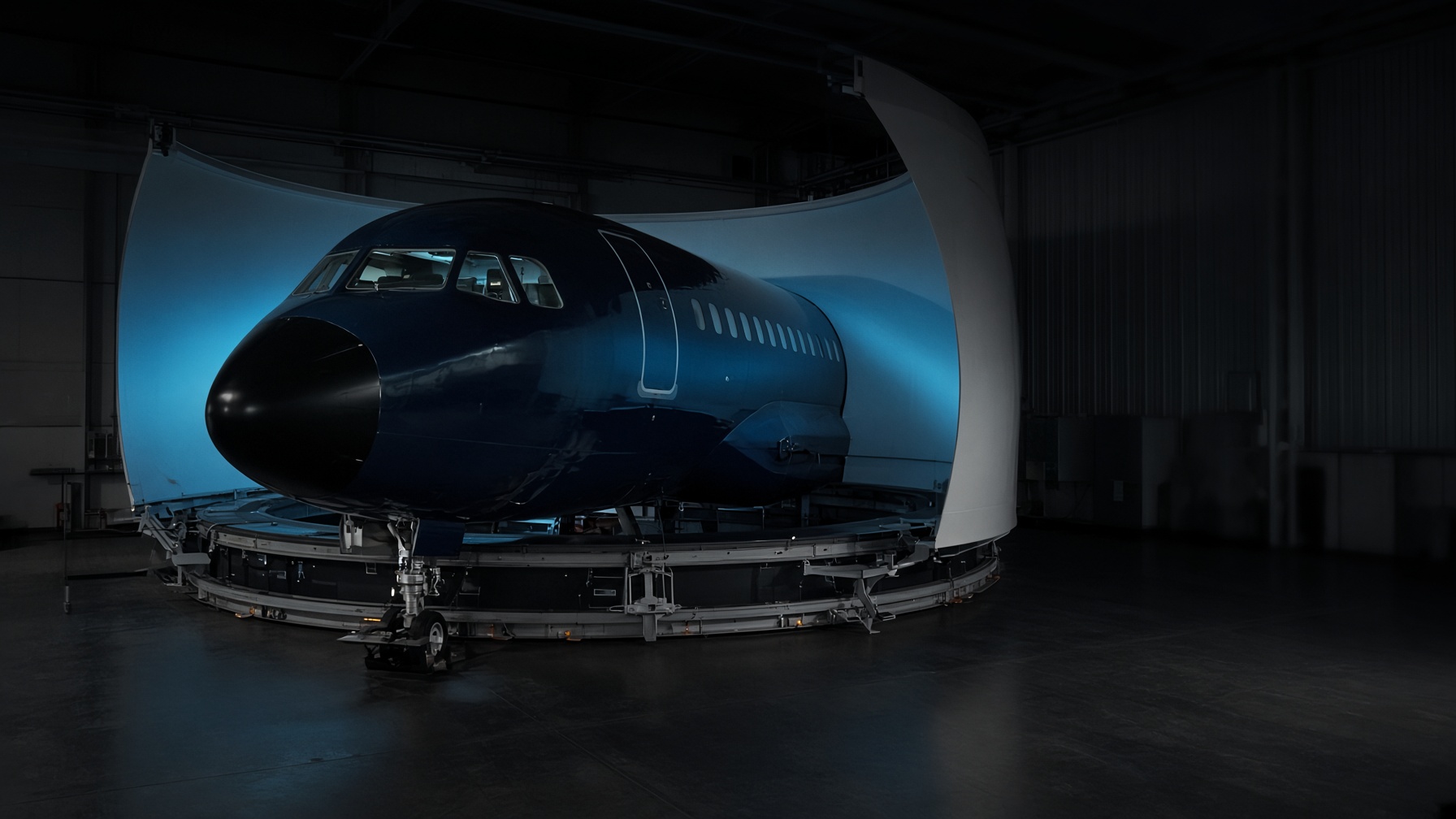
The short answer is usually no. A self-funded A320 or B737 type rating is a large cheque, a SIM course, and a certificate that starts dying the day you finish. Airlines type the people they have already hired, or they include the type inside a cadet contract. Students buy types because a brochure said it would “open doors”, or because a friend sat right-hand seat after buying one — without mentioning the job letter that came first.
This briefing is the cost, the currency problem, the few times it can make sense, the pay-to-fly red flag, and the rule that you pick the type the airline actually flies. Widebodies are almost never a student purchase. Put the number against the rest of the pipeline on costs. Compare cadet versus self-funded in cadet programmes versus self-funded. Living “TRTO of the week” noise belongs on the founder’s Facebook page.
The short answer is usually no
A type rating is aircraft-specific training with a skill test. It is not a second CPL. It does not increase your PIC. It does not replace MCC. It does not make a 250-hour logbook look like a 1,500-hour logbook. What it does is allow you to act as a crew member on that type once an operator puts you in their operations manual, their insurance, and their line training.
Without those three, you have a rating on a licence and a resume line. Some online forms will let you tick a box. Most chief pilots will ask when you last flew it. If the answer is “the skill test, eleven months ago, no line”, you have spent a car on a box that is already fading.
The people who tell you to buy one early are often selling the course, selling a hotel package around the course, or repeating a story from a hiring spike that is over. Check the current market, not a 2018 post. The career page is the order: file, interview, then type if they say so.
What twenty to forty-five thousand actually buys
Civilian A320-family and B737 types at independent TRTOs commonly sit between about 20,000 and 45,000 US dollars in 2026 money, depending on city, SIM hours, whether base training (live take-offs and landings) is included, and whether you already have MCC/JOC. Add travel, hotels, visa, a retake, and the weeks you are not earning. The all-in number is why this sits next to a type-rating sales PDF and looks smaller on the PDF.
You buy: ground school, SIM sessions, a skill test, and paperwork to the authority. You do not buy a job, insurance, or line training. You do not buy recency.
Compare that cheque to the rest of training. For many self-funded students it is another 10–20 percent on top of an already brutal ATPL bill. The 2026 cost note is the place to see whether the family can survive a type that does not convert into a roster. If the answer is no, the decision is already made.
Currency expires. The certificate does not wait
Type ratings have recency. Operators have their own, tighter, rules. A licence that still prints “A320” is not the same as being legal and insurable to fly one tomorrow. SIM recency, take-off and landing recency, and operator conversion all have clocks. Students treat the skill-test date like a graduation. Airlines treat the last sector like a fact.
A type you cannot keep current is a receipt. A type an operator will fly next month is training.
If you still need a large block of instructor PIC — the usual story in hour building as a flight instructor — the type will expire in spirit while you teach circuits. Paying for a refresh later often costs enough that you should have waited and let the airline spend the first cheque.
Diary the clocks. If you buy anyway, you need a use-by date: a job start, a conversion, a line course. A type with no date is a decoration.
When a self-funded type can make sense
Narrow exceptions exist. They are written down. They have names and dates. They are not a feeling that “the market wants 737s”.
- A written job letter or conditional offer that names the type and a start window you can actually meet.
- A cadet or ab-initio contract that includes the type in the course fee you are already paying.
- A conversion path where the operator requires you to arrive typed and will put you on line before currency dies.
- A rare, documented hiring freeze-break that lists a specific type as a hard filter and is still open this month.
If none of those four is on paper, you are speculating. Speculation with 30,000 dollars is how families get hurt. Ask the operator, in writing, whether a self-funded type changes the offer. Many will say they type you themselves and would rather you arrived with hours and English. Believe the email, not the TRTO.
A written job letter is not a rumour
A letter has a letterhead, a type, a condition (medical, visa, licence conversion), and a person who can be called. A screenshot of a group chat saying “they are taking typed FO” is not a letter. A school claiming “our types get interviews” is marketing. Interviews are not jobs.
If the letter is real, read the bond. Who pays if you fail the course. Who pays if the start date slips. Whether the type is company-owned if you leave at month eleven. The cadets page exists because bonds and nationality gates hide in the same contracts. Do not buy a type into a bond you have not read.
Call the operator if you can. Brokers dislike that. That is information.
Cadet programmes that already include the type
A proper cadet or MPL path types you on the aeroplane you will fly, inside a course the airline designed. You may still pay. You may be bonded. You are not choosing a random TRTO and hoping. That is a different product from a self-funded type bought because cadet season closed.
If you are deciding between waiting for a cadet window and buying a type to “look ready”, wait unless you already meet the other gates and the notice told you to arrive typed. Most windows care about nationality, age, height, Class 1, and English first. A type will not invent a passport. Compare the two paths in cadet programmes versus self-funded.
If the cadet course includes a type, confirm which one. An A320 academy into an A320 operator is coherent. A 737 type into an A320 airline is a second cheque later. Pick the type the airline flies.
Pay-to-fly is a red flag, not a shortcut
Pay-to-fly means you pay to occupy a crew seat. Sometimes it is packaged with a type. Sometimes you pay for the type, then pay again for line flying, then sit standby for sectors that may not come. The structure varies. The direction of money does not: you are the customer.
A bond for a company-paid type is not the same thing. You are an employee with a debt if you leave. Read it. It can still be a bad deal. It is at least a recognised shape. Pay-to-fly plus a self-funded type plus a vague “European operator” is how people spend a house and log fifty hours that a later airline will not treat as useful PIC.
Red flags: pressure to wire this week, no named AOC, no insurance story, a type in a country you cannot work in, a widebody at 400 hours, a promised command in two years. Walk. The how to choose a flight school tests — count aeroplanes, read approvals — apply to TRTOs too. If you cannot name the authority and the AOC, you cannot name the risk.
Pick the type the airline actually flies
If you have a real reason to buy, buy the family they operate. A320-family into an A320 operator. B737 into a 737 operator. Mixed fleets still have a first type. Do not buy a 737 because the SIM was cheaper in that city if every notice you can actually use says neo. Differences courses exist; they cost money and time, and some operators would rather start you clean.
Engine variant, sharklets, MAX versus NG, ceo versus neo — recruiters know the difference even when an ad says “A320 type”. Ask the TRTO what will be printed on the licence and whether the operator in your letter accepts it. Get that in email.
If you do not have an airline yet, you do not have a type to pick. That is the usual case. Instruct, keep the medical, keep English, apply. Let them name the aeroplane. The founder’s Facebook page will have the current “which type are people buying” argument; treat it as weather, not as a flight plan.
Widebodies are almost never student-bought
A330, 787, 777, 350 — these are operator programmes. They assume you already exist as a crew member the insurer recognises. The SIM is expensive. Line training is a company process. A broker offering a self-funded widebody to a low-hour CPL is selling a dream with a skill-test slot. Even if you pass, you will not be current, and you will not be insurable on a passenger long-haul without that operator’s own course.
There are edge cases for experienced captains moving employers. You are not that person if you are reading a student briefing. Do not skip the narrowbody conversation and jump to a quad because it photographs better. Command of a widebody is seniority inside an airline, not a shopping choice.
If money is burning a hole, spend it on the boring items that actually gate you: Class 1, English to interview standard, hours, a licence the target authority will convert. A type is a tool an employer issues. Until they will issue it, the usual answer remains no.
Questions students actually ask
- How much is a self-funded A320 or B737 type?
- Plan on roughly 20,000 to 45,000 US dollars for a first narrowbody type at a civilian TRTO, before hotels, visas, and a failed skill test. Quotes move with SIM prices and the city. Put the number inside the 2026 training cost picture, not next to a social-media screenshot of a jet.
- Will a type rating on my licence get me interviews?
- Sometimes it gets you past an online filter that listed the type. It does not create a vacancy. Operators still want hours, medical, English, and a story. A type with 300 hours and no job letter is a certificate that will go out of currency while you instruct. Read hour building as a flight instructor before you spend the same money twice.
- When does buying a type make sense?
- When a named operator has put the type in writing — a conditional offer, a bond, a cadet course that includes it — or when you are converting into an airline that requires you to arrive already typed and will start you before currency dies. WhatsApp rumours and “many of our graduates fly the 737” are not that letter.
- Is pay-to-fly a way to get the type cheap?
- No. Pay-to-fly is you paying an operator or a broker to occupy a seat. Sometimes the type is extra. Sometimes line flying is extra. The red flag is the invoice for the privilege of doing the job. A real type paid by an airline is a bond or a salary sacrifice with a contract you can read.
- Should I buy an A330 or B777 as a student?
- Almost never. Widebody types are operator tools. They cost more, they stay current only if you fly them, and no serious airline is waiting for a self-funded 777 on a 400-hour CPL. If a broker is selling you a widebody “to stand out”, you are the customer, not the candidate. Ask the founder’s Facebook page for the current version of that pitch before you wire anything.
More from the blog

Costs
How Much Does Commercial Pilot Training Cost in 2026?
Commercial pilot training cost in 2026 across the US, Europe, Gulf and South Asia, with extras, bonds, written quotes, and type ratings you should not buy.

Cadets
Airline Cadet Programmes vs Self-Funded Training
Airline cadet programmes vs self-funded CPL: MPL, nationality filters, training bonds, who pays the type rating, and what to do if you are not eligible.

Schools
How to Choose a Flight School — and the Red Flags
How to choose a flight school: ATO approval, aircraft on the line, instructor ratio and first-time pass rates. Visit the apron before any deposit.