Hour Building as a Flight Instructor (The Usual Bridge)
Hour building as a flight instructor after the CPL: what FI work teaches, PIC hours toward the airlines, and why buying a type rating can wait.
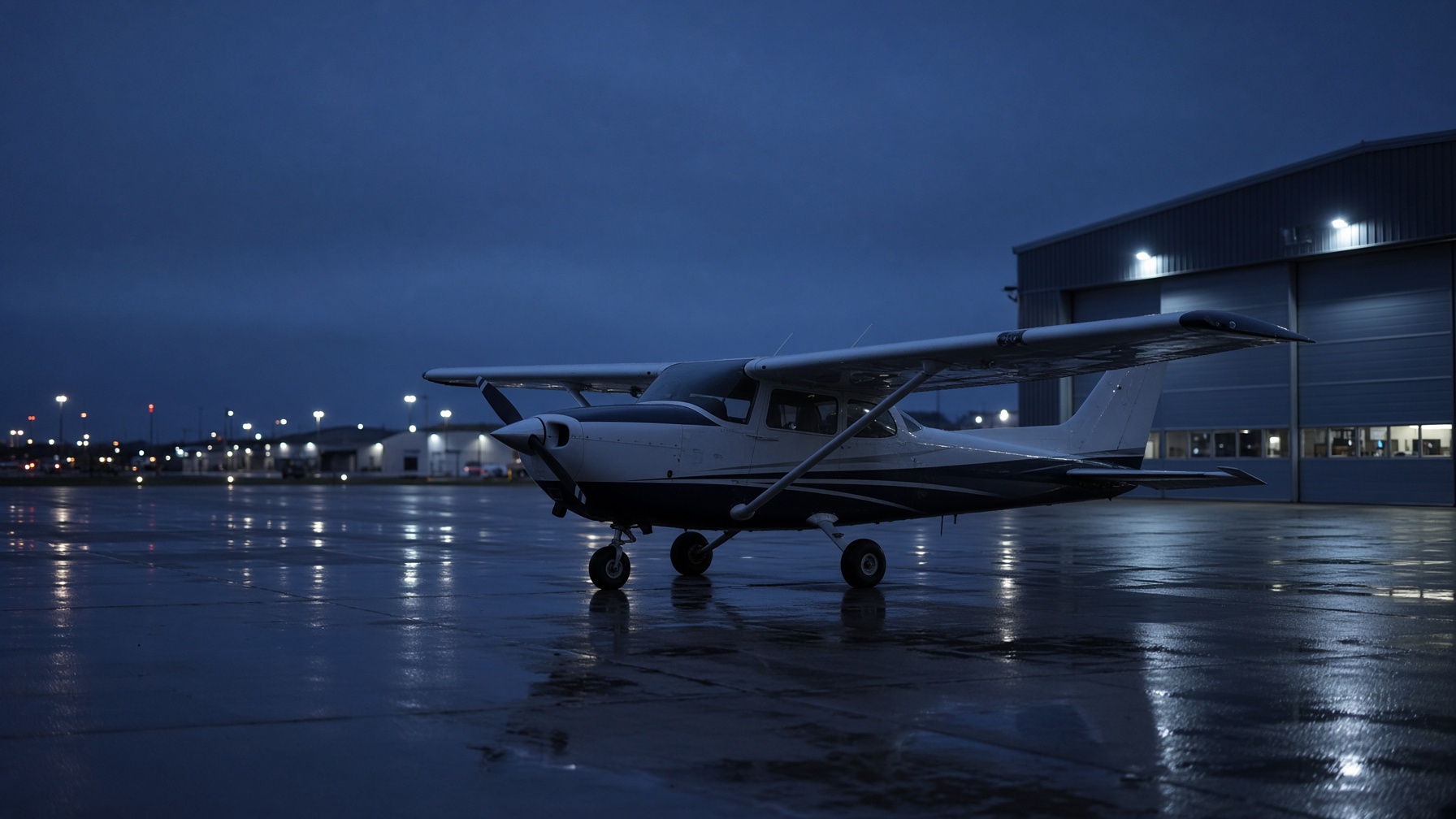
A Commercial Pilot Licence is a permission to be paid. It is not a vacancy. Operators hire a risk they can brief: hours, a medical, English, and a story that does not sound like a brochure. Fresh CPL holders have two of those on a good day. The usual bridge is instructing. It is not glamorous. It is how a large fraction of working first officers got PIC hours without buying a jet they could not keep current.
This note is the briefing on that bridge. What CFI and FI work puts in the logbook. What it teaches that a rented hour cannot. What it does not replace — multi-crew, turbine, and an airline that actually wants you. How the United States, Europe, and South Asia offer different versions of the same job. And why you should not buy a type rating while you still need 800 hours. The path is on the journey. The stack is on licences. Current instructor-hiring noise belongs on the founder’s Facebook page.
A CPL is a licence, not a job
You may legally fly for hire when the CPL, the Class 1, and the ratings match the work. That sentence does not create a roster. Charter, cargo, and airlines have insurance minima and their own MOS. A 200-hour CPL with a single-engine piston and a new instrument rating is qualified to look for work. It is not qualified in the way a chief pilot means the word.
Cadet and MPL paths are the exception because the airline already bought the next phase. Everyone else is in a market. The market for low-hour commercial pilots is instructing, some aerial work, and patience. If a school implied that diploma day includes a jet type and a base, read the contract again. The cost note for 2026 is where that invoice should have been honest.
Accepting this early is cheaper than denying it in a group chat. Plan the FI course, the medical currency, and a year of low pay as part of training, not as a failure after training.
Why instructing is the usual bridge
Someone has to sit in the right seat of a trainer while a student learns to land. That someone logs PIC, stays legal, and gets paid something. Compared with renting an aeroplane at two hundred dollars an hour to “build time”, instructing inverts the cashflow. You still live poorly. You do not set fire to the remaining loan as fast.
The other reason is volume. A working instructor can log 60 to 90 hours in a busy month if the school has aeroplanes, weather, and dispatch. A self-funded hour-builder flying twice a week will take years to reach the same PIC, and will learn less, because nobody is making them explain a stall twice a day.
It is usual, not mandatory. Banner, survey, parachute, flying-club work, and some cargo exist. They are narrower doors. If they open, use them. Do not wait for a rare job while a school down the road needs an FI.
What those PIC hours actually are
On a dual instructional flight you are the pilot responsible for the aircraft. Under FAA rules a CFI logs PIC while giving instruction. Under EASA an FI logs the time according to Part-FCL — typically PIC as instructor. Other authorities write their own sentences. The product you are building is legal, defensible PIC, not a number you invented in a spreadsheet.
Airline recruiters can read a logbook. They can see 800 hours of circuit instruction and know what that is. They can also see padded SIC, copied pages, and “PIC” in an aircraft you were not qualified to command. Do not do that. The hours only work if they survive a background check.
- Log what the regulation allows, the same day, with the student named as required.
- Keep dual, PIC, night, instrument, and multi in columns you could defend at a table.
- If you fly a multi-engine instructor syllabus, log it cleanly — that column is rarer and more useful.
- Do not log SIM as aeroplane. Do not log a trial flight you only sat in as PIC.
What instructing teaches that a logbook cannot
You learn to brief. You learn to stop a detail that is unsafe even when the student is keen and the slot is paid. You learn to fly a poor approach from the other seat and still make a decision. You learn to talk to a frightened human without making the aircraft worse. That is closer to a first-officer job than another 50 hours of solo cruise along the same valley.
You also learn how standards rot. A school that pushes first solos in a wind you would not accept will also push you. Your name is on that solo. Instructing is where many pilots first practise saying no to commercial pressure. Airlines later ask about that moment. Have a real one.
The logbook counts hours. The job teaches you to stop a bad detail while someone else is paying for it to continue.
Teach the picture, not the test. Students who only want a tick still need a stall that is honest. You will hate repeating air law. Repeat it. The founder’s Facebook page is full of new instructors surprised that the work is talking. That surprise passes. The habit of a clear brief does not.
What instructing does not replace
It does not replace multi-crew. Two people in a Cessna with a student is not MCC. It does not replace a turbine type, a jet upset module, or line flying. It does not replace ICAO English at interview speed. It does not replace a Class 1 that stays valid. It does not, by itself, unfreeze an ATPL.
A frozen ATPL plus instructing is a common European file: theory passed, CPL/IR in hand, hours climbing, MCC still to do or already done. A US CFI building toward 1,500 hours for ATP is a different file. Both can reach the same right-hand seat. Neither should pretend the trainer is a narrowbody.
Keep a side syllabus. Mental maths. A simple jet systems book. Interview answers spoken out loud. If you only teach PPL circuits for two years and never open a career note, you will arrive at 1,000 hours still briefing like a club instructor. That is fixable. It is not automatic.
United States versus Europe and South Asia
The United States built a machine for this. The default civilian story is still: commercial, CFI, instruct in volume, hit 1,500, then a regional or cargo seat. Restricted ATP reductions exist for degree and military paths. It works when you can legally work in the US. Visa reality is part of the briefing, not a footnote.
Europe has fewer instructor seats and a different licence logic. You sit ATPL theory, finish CPL/IR/ME, often MCC, and then hunt FI work or a cadet-style intake with a frozen ATPL. Airlines in Europe and the Gulf already understand that file. The hours target for a first officer job is the number on the notice you are actually applying to — not a forum average.
South Asia often means you instruct where you trained, or you build hours on a national CPL you will later convert. Conversion cost can rival a year of instructing pay. Confirm before you start that the hours and the school approval will be accepted by the next authority. Regional detail sits in pilot training in Pakistan, India, and the Gulf.
Do not buy a type while you still need 800 hours
A self-funded A320 or B737 rating is a large cheque with an expiry. Type ratings go out of currency. Instructor pay will not keep a jet SIM current while you teach circuits. If you still need a large block of PIC, spend cash on remaining alive through the FI years, not on a type you cannot use.
The exceptions are narrow and they are written down: a job letter that names the type, or a cadet course that includes it. Rumours in a WhatsApp group are not a letter. Read should you buy a type rating before anyone books you a ground-school seat on a Max or a neo.
How to stay current without going broke
Instructing pay is low relative to the licence you hold. Budget like a student for another 12–24 months: rent, food, medical, English retest if you are on Level 4, licence fees. The 2026 cost note should have left a reserve. If it did not, you are flying on luck.
Stay legally current: passenger currency, instrument if you teach it, night, differences training on the school’s fleet. A lapsed instructor who cannot be dispatched is not building hours. Keep the Class 1 ahead of the expiry, not in the week of a checkride.
When to stop instructing and apply
Apply when you meet the notice, not when you are bored. If the operator wants 1,000 hours, 50 multi, and a frozen ATPL, sending the file at 600 is noise. If they want 500 and you have 520 of clean PIC plus MCC, send it. Read the current notice. The career pages and the founder’s Facebook page are where those notices get discussed without a school brochure in the way.
Instructing is the usual bridge because it pays you, barely, to practise command, briefing, and patience. It is not the job you trained for. It is the job that makes the job you trained for possible. Keep the logbook honest. Do not buy a type you cannot keep. Watch the actual minima. Then go when the file is real.
Questions students actually ask
- Can I get an airline job with a fresh CPL?
- Almost never, unless you are inside a cadet or MPL contract that already owns your next hours. A commercial licence means you may be paid to fly. It does not mean an operator needs you. Most self-funded pilots instruct, tow, survey, or fly small commercial work until the logbook is worth a look. The ladder is in PPL, CPL, and ATPL explained.
- Do instructor hours count as PIC?
- In the usual case, yes: when you act as instructor on a dual flight you log PIC under the rules of your authority, and that is the point of the bridge. Read the logging rules for your licence — FAA, EASA, PCAA, DGCA, GCAA are not copies of each other. Fake PIC is a career-ending file problem. Clean PIC is the product you are paid almost nothing to produce.
- Should I buy an A320 type with 300 hours so airlines notice me?
- No. If you still need several hundred hours, the type will go out of currency while you teach circuits. Spend that money on living costs through instructing, or on the FI course itself. The separate note should you buy a type rating is the longer no, with the few exceptions.
- Is instructing in the US the same as an FI job in Europe or South Asia?
- No. The US CFI market is built to feed 1,500-hour ATP requirements and has volume. Europe has fewer FI seats and a frozen ATPL that airlines already understand. South Asia often means instructing at the school that trained you, or building hours that you will later convert. Price the conversion, not only the hourly rate.
- What if I hate teaching?
- Then instructing is still a job you may need for two years, not a calling. You can be a safe, brief, honest instructor without loving it. If you cannot be those three things, do not take students. Find another legal hour-builder. The founder’s Facebook page hears from both kinds of instructor every season; only one kind should be near a first solo.
Continue on Class 1 Pilot
More from the blog
Licences
PPL vs CPL vs ATPL: The Licence Ladder Explained
PPL vs CPL vs ATPL explained: frozen ATPL, IR, multi-engine class, MCC, FAA versus EASA, conversions between authorities, and what airlines actually hire on.

Costs
How Much Does Commercial Pilot Training Cost in 2026?
Commercial pilot training cost in 2026 across the US, Europe, Gulf and South Asia, with extras, bonds, written quotes, and type ratings you should not buy.
Costs
Should You Buy an A320 or B737 Type Rating?
Buying an A320 or B737 type rating is usually a no. Costs, currency, written job letters, cadet packages, pay-to-fly traps, and why widebodies still wait.