Class 1 medical

If you cannot hold it, nothing else matters.

A commercial licence is a medical certificate with a flying exam attached. Book an authorised examiner for the authority you will train under — before a school deposit, before a cadet application, before the Instagram.

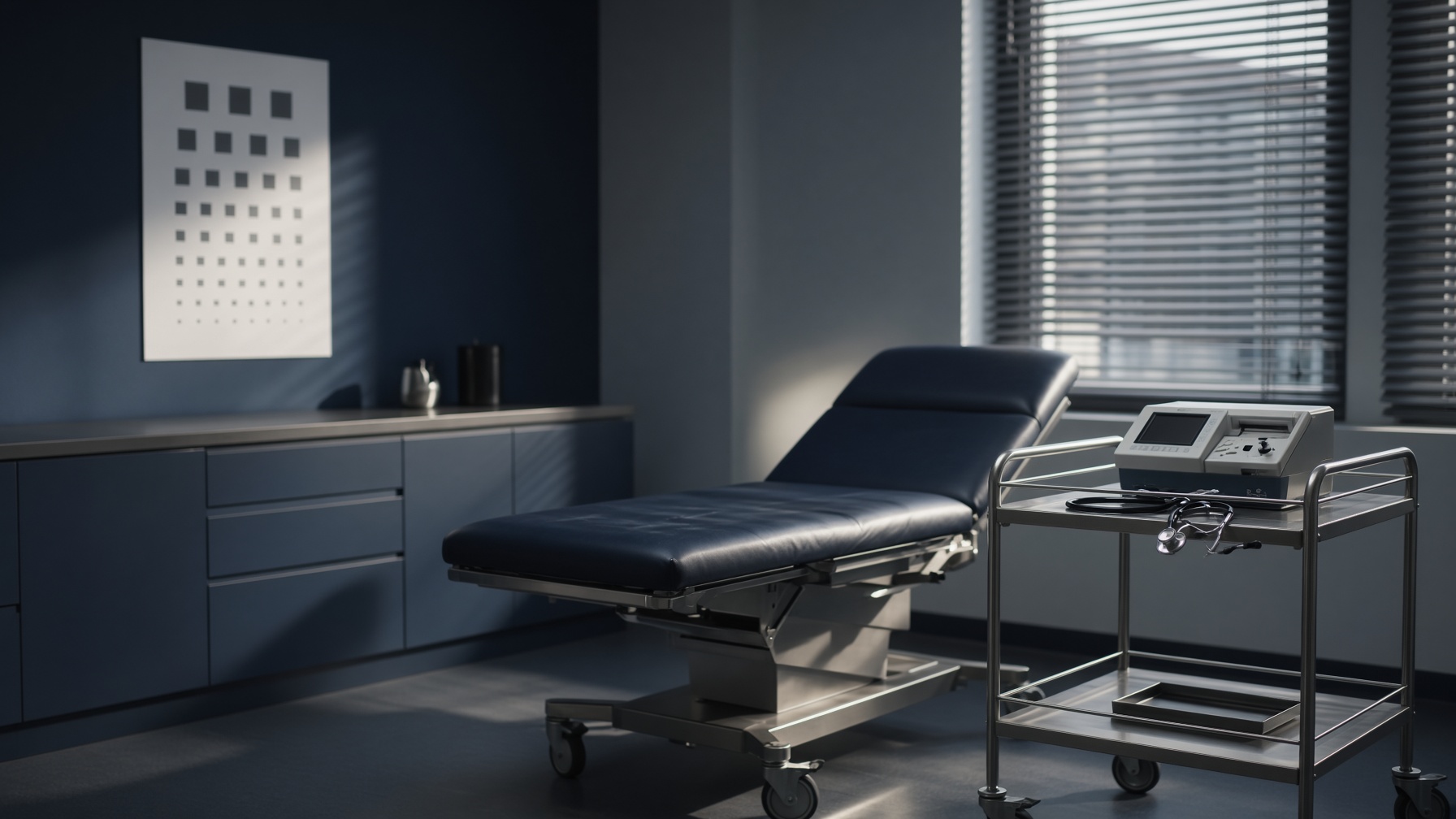
Aviation medical examination room with a vision chart and ECG trolley

Order of battle

Medical first. Hours second.

Class 1 is the airline standard. Class 2 is enough for a PPL and a waste of time if you already know you are going commercial. Validity is often twelve months under 40 and six months from 40 for airline operations — diary the renewal like a checkride.

  • Book the initial Class 1 before you pay a school deposit. A fail here is a refund you will not get from an ATO.
  • Go to an authorised Aviation Medical Examiner for the authority you will train under — FAA AME, EASA AeMC, GCAA, PCAA, CAA Oman, DGCA.
  • Take glasses, a medication list, and surgical reports. Do not 'forget' antidepressants or ADHD tablets.
  • Validity is often 12 months under 40 and 6 months at 40+ for airline Class 1. Diary the renewal.
  • Airlines still set height, BMI, and reach even when the medical does not. Read the cadet advert.
  • If you are unsure about a condition, a confidential pre-consult with an AME is cheaper than a year of flying.

What they actually check.

Vision

Distance usually 6/6 or 20/20 in each eye, with glasses or lenses if needed. Near vision 20/40. Colour perception must be enough for lights and charts. Many refractive surgeries are acceptable after a waiting period — ask the examiner, not a forum.

Hearing and ENT

Pure-tone audiometry. You must hear radio and warning tones. Chronic ear disease, uncontrolled sinus problems, and some surgeries need a specialist report.

Heart and blood pressure

ECG, blood pressure, and a cardiovascular history. Undeclared hypertension, some arrhythmias, and a recent heart event are the items that stop careers — not a single gym-day pulse.

Blood, urine, metabolism

Anaemia, glucose, lipids, kidney and liver markers, drugs of abuse. Insulin-treated diabetes is typically incompatible with Class 1. Some oral regimes are authority-specific.

Neurology

Epilepsy, unexplained syncope, and many seizure histories are disqualifying. A one-off faint still needs a story and tests. Do not guess — get the medical.

Mental health

Depression, anxiety, ADHD medication, and any psychiatric admission are reviewed, not automatically fatal. Concealment is what ends the certificate. Tell the truth on the form.

Often fine

Correctable, declared, stable.

  • Glasses or contact lenses that correct to the Class 1 standard
  • Most well-healed LASIK / PRK after the regulator's waiting period
  • Mild, treated asthma with a stable history
  • Well-controlled blood pressure on acceptable medication
  • Past fractures that do not limit cockpit reach or rudder

Hard stops

These need an examiner, not a forum.

  • Insulin-treated diabetes mellitus
  • Epilepsy or ongoing seizure disorder
  • Psychosis, bipolar disorder in many authorities, or recent suicide attempt
  • Substance dependence or a failed drugs-of-abuse screen
  • Implanted defibrillator, or significant unrepaired heart disease
  • Colour vision that fails every accepted operational test

Authorities differ. A “no” on a forum is not a certificate. A lie on the form is.

Next: know what you will earn — and give up.

The medical says you may. The roster says whether you should.