What to Expect on Your First Flying Lesson
What to expect on a first flying lesson or discovery flight: briefing, walk-around, radio, weather delays, and same-day deposit red flags.
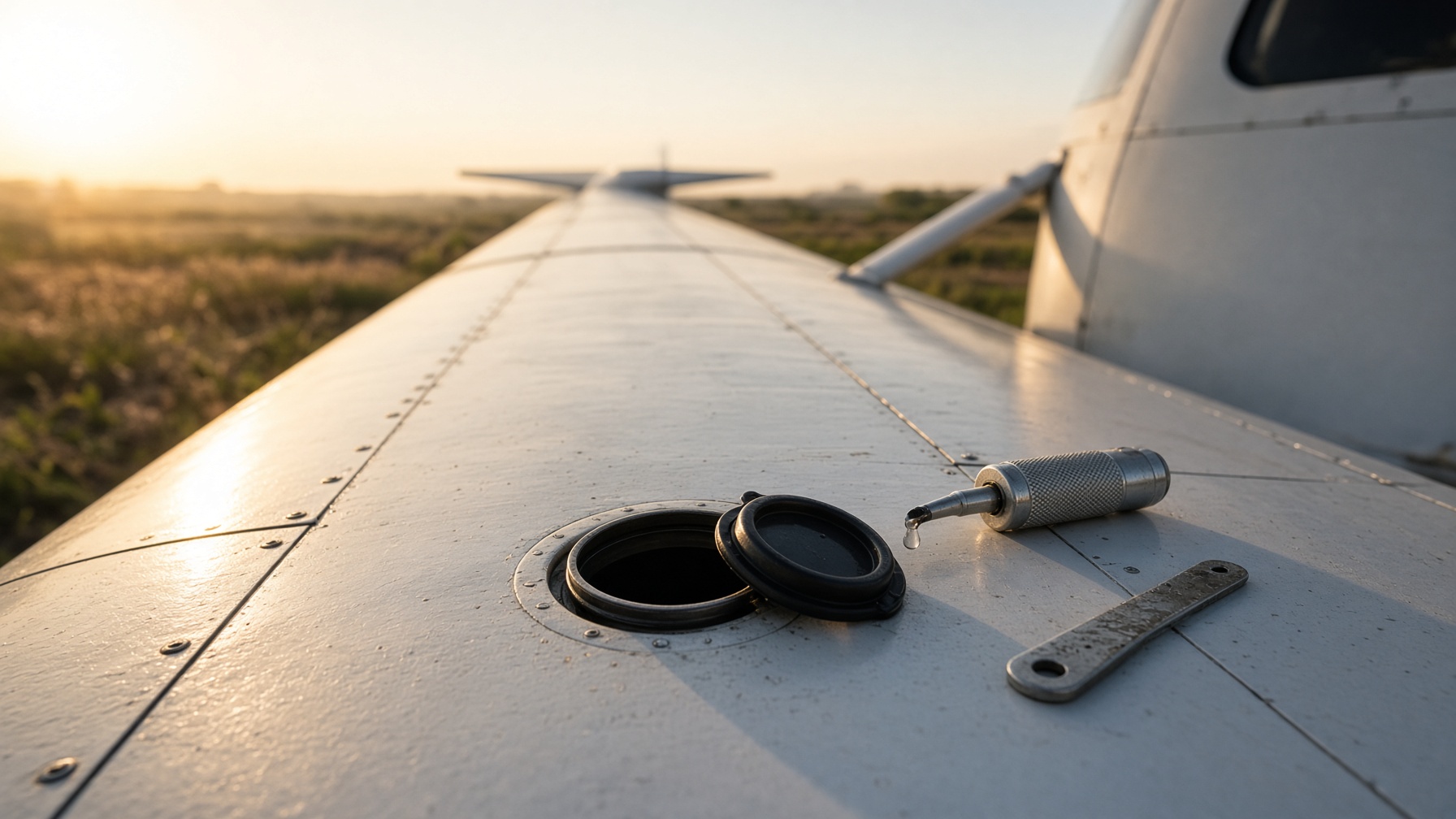
A first flying lesson is a trial hour in a light aeroplane, sometimes sold as a discovery flight or an introductory lesson. It is a useful filter. It is not a career, a medical, a CPL quote, or a cadet offer. Students who treat it as the start of an airline path are the students who sign a deposit before they have sat a Class 1. This note is what the hour actually contains, what it is not, and what you should do the next morning if you still want the job. The path page is the long sequence. This is the first slot.
If you already know you want a commercial licence, read how to become a commercial pilot and the Class 1 medical note before you book the trial. The lesson will still be useful. It will not be the place where a counsellor fills the silence with a package. For living questions after the flight, the founder’s Facebook page is the feed students already use. Walk onto the apron with a plan rather than a camera roll.
A trial flight is a filter, not a career
You are buying an hour of dual instruction, a briefing, and a look at how that school runs an aeroplane. You will probably handle the controls in the climb or in the cruise. You will not finish as a pilot. You will finish with data: did you tolerate the noise, the motion, the radio, the cost of that single hour, and the instructor's manner when you got something wrong. Those are the right questions. Am I now on a cadet programme is the wrong question.
Treat the hour as a sample of training, not as a sample of airline life. A Cessna or a Piper on a club airfield is not a widebody roster. If the lifestyle question is the one you actually have, sit with two working first officers and read the path. The trial answers a narrower question: can you learn in this machine, with this person, at this field. That is enough for a first hour. It is not enough for a family loan.
The briefing
A serious instructor briefs before you walk to the aeroplane. You should hear the aim of the lesson, the weather, the airfield information, who is pilot in command, and what you will be asked to do with your hands. You should hear what you must not touch. You should be asked about motion sickness, glasses, and anything that would make a circuit a bad idea today. If the briefing is a sales pitch about packages, you are not in a lesson yet.
Take notes. Write the aircraft type, the registration if you are shown it, the instructor's name, and the weather they briefed. Those notes are how you compare schools later. A briefing that names wind, runway, and a simple aim — climb, straight and level, a look at the local area, a landing you will not fly — is a briefing. A briefing that names a discount if you enrol today is a close. You can still fly the hour. You should not confuse the two.
The walk-around
Before engine start you walk around the aeroplane. Fuel, oil, control surfaces, pitot, tyres, drains, cowling, a look for damage. A good instructor narrates. A poor one skips it because the customer is excited. Watch how they treat the machine. You are also watching maintenance culture. You do not need to memorise the items on hour one. You need to see that the items exist.
Ask what happens when something is not right. The honest answer is that the lesson stops and you go to another airframe or you reschedule. First lessons get cancelled for a missing screw, a fuel sample that looks wrong, or a tyre. That is the job working as designed. A school that flies a defect to protect a Google review is not the school you want for a CPL.
Radio, traffic, and what you will actually fly
Once you are in, you will hear the radio. You are not expected to talk on frequency on a trial. You are expected to wear the headset and not talk over a call. The instructor will taxi, do the power checks, and take off. In the climb they may give you the control column and tell you to hold the attitude. Straight and level is the usual first handling exercise. You will over-control. That is normal. Listen more than you grip.
You will not fly a commercial profile. You may see the local area, a nearby field, or a few circuits. The landing will almost certainly be the instructor's. If they offer you a landing on hour one, that is unusual and not a badge. Enjoy the handling. Do not turn it into a performance. The instructor is assessing whether you take instruction, not whether you are already a natural, which is a word you should retire before you start a course.
- Headset on, sterile when the radio is live, hands where you are told.
- You may hold the climb and straight and level. You should not expect to land.
- Ask what the extra-hour rate is after the trial, in writing, not in the aeroplane.
- Notice whether dispatch, the instructor, and the machine match the brochure.
Weather delay is normal
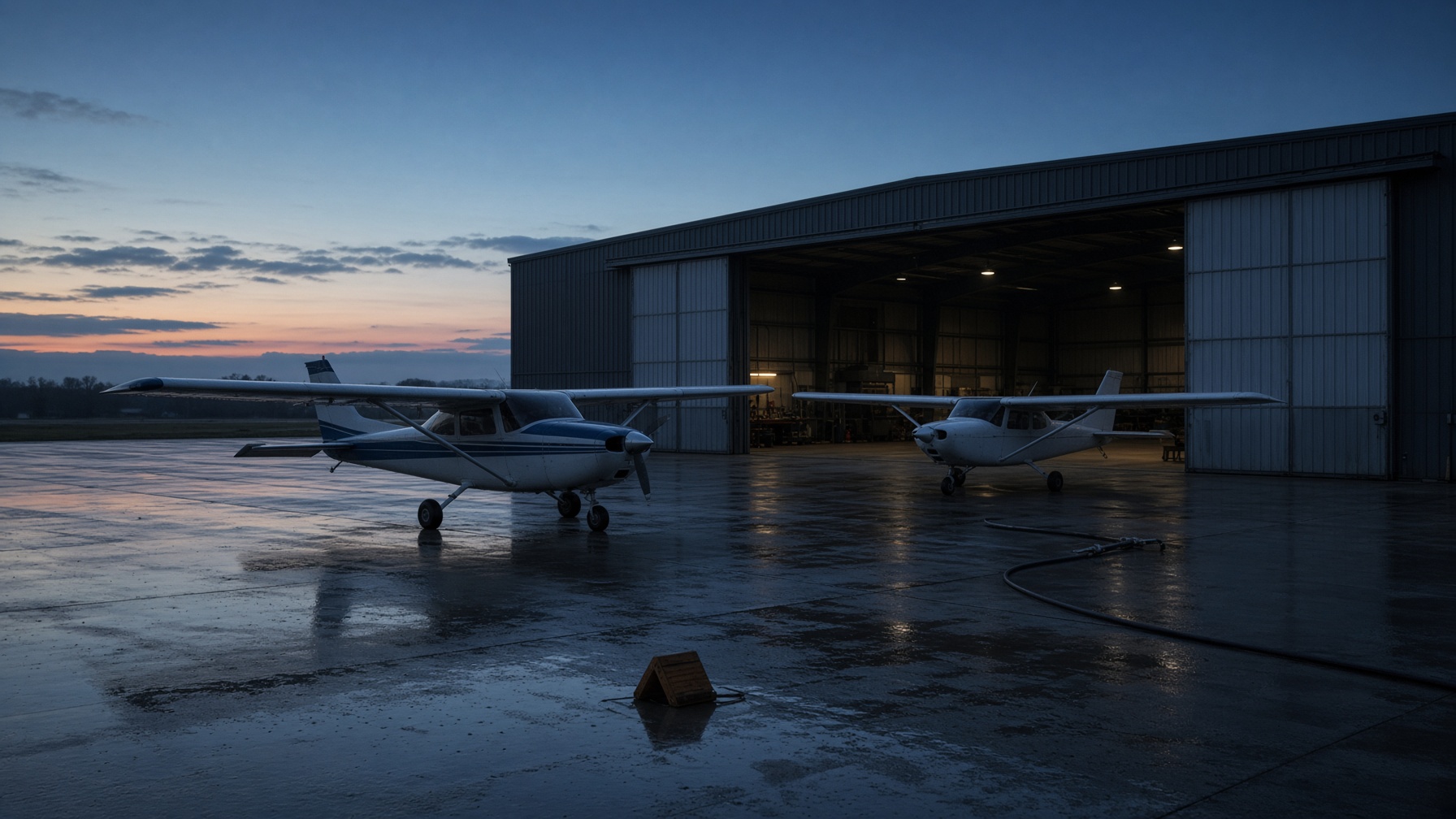
Wind, low cloud, visibility, thunderstorms, and a wet runway cancel first lessons. So does a trainer that goes unserviceable at the hold. If your lesson is delayed or scrubbed, that is aviation. A school that pressures you to fly a marginal trial so the sale is not lost is showing you their order of operations: revenue, then judgement. Reschedule. Use the waiting hour to walk the apron and count aircraft, which is the start of how to choose a flight school.
Ask in the morning, before you travel, whether the weather is actually flyable for a first dual. A club that only tells you at the field after you have taken a day off is disorganised. A club that calls you early is operational. Write down how they handled the delay. You will forget the feeling and remember the story they sold you, unless you keep the note.
What the lesson is not
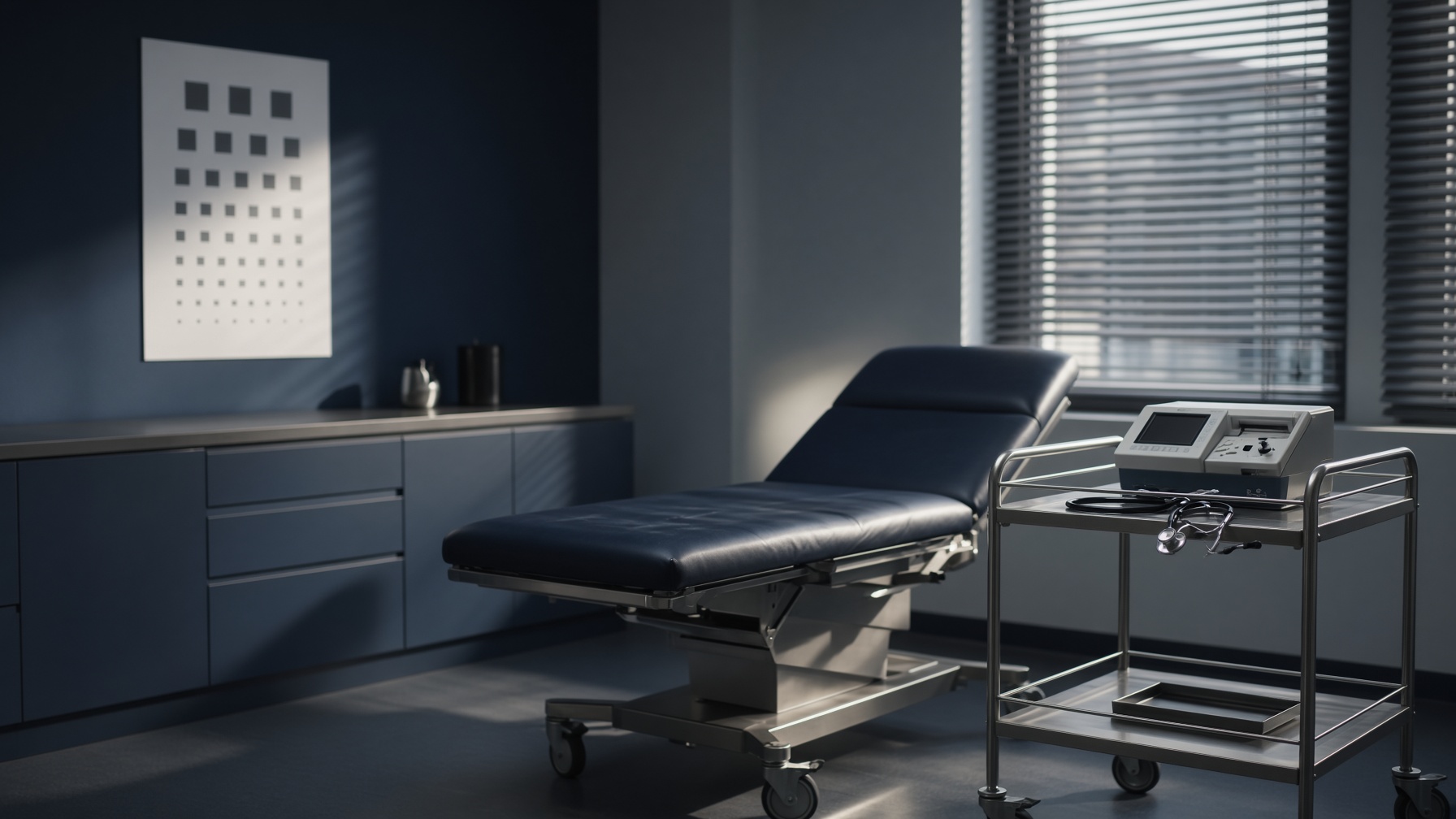
It is not a Class 1 medical. Enjoying the circuit does not mean you will pass the ECG, the vision standard, or the history form. Book the Class 1 with an authorised examiner for the authority you will train under, before a course deposit. It is not a CPL quote. An hour rate times a minimum-hour syllabus is not what you will pay. Extra hours, exam fees, housing, and a type rating live on the costs page. It is not a cadet offer. Nobody can place you on an Emirates, Qatar, or IndiGo scheme from a trial booking form. Read cadet programmes when you are ready for that gate.
A first lesson answers whether you can learn in that machine. It does not answer whether you will be paid to fly a jet.
It is also not proof that this school is the one. A kind instructor and a smooth hour can sit inside a club with a weak fleet and a worse extra-hour rate. Separate the flying from the enrolment. You can like the aeroplane and still walk away from the contract. That is the point of a filter.
Same-day deposit is a red flag
You will often be walked from the apron to a desk. The pitch is that slots are filling, a discount expires at close of business, or the next integrated course needs a name today. A holding deposit against a written quote, refundable if the Class 1 fails, is a different instrument from paying the course this afternoon because you are still full of adrenaline. Adrenaline is not consent. Sleep is.
If they will not let you take the quote home, that is the answer. If they will not show the approval number, that is the answer. Pressure deposits sit on the red-flag list for a reason. The checklist exists so you do the medical, the regulator, and the school visit in order. Enjoy the hour. Pay later, in cold blood, if the school still stands up.
After you land
Debrief should be short and specific: what you did, what the instructor held, what you would work on in lesson two. Ask the extra-hour rate again, on paper. Thank them. Do not sign. If you felt ill, say so; it is common and it is useful information for the next briefing. If you felt nothing but thrill, write that down too, then go home before you turn thrill into a transfer.
Talk to whoever is funding this. Show them the quote and the costs band, not the selfie. If you trained in Pakistan, India, or the Gulf, the regional licence question still sits in front of you — pilot training in Pakistan, India, and the Gulf is that briefing. A first lesson at a local club does not lock the stamp. It tells you whether you want the work.
What to do the next morning
Write a page while the hour is still in your hands: weather, instructor, aircraft, what you flew, what you were told about money, and whether you would go back. If the answer is no, you have saved a fortune. If the answer is yes, book a Class 1 before any course deposit, using an examiner for the authority you actually intend to train under. Tick the checklist. Read how to choose a flight school and visit at least one other apron. Compare written quotes, not vibes.
Then decide the licence, not the lanyard. FAA, EASA, PCAA, DGCA, GCAA, CAA Oman — the stamp is the career. The first lesson is a sample of flying. Keep them in different folders. Follow the founder’s Facebook page if you want the living version of this advice from students who have already sat the hour and the invoice. Trial, notes, medical, regulator, school, hours. Not trial, deposit, hope.
Questions students actually ask
- Is a discovery flight the start of my CPL?
- No. It is a filter. You learn whether you tolerate the noise, the workload, and the bill for an hour. The career sequence starts with a Class 1 and a regulator, which is the how to become a commercial pilot briefing, not a souvenir logbook stamp.
- What should I wear and bring?
- Closed shoes, layers, sunglasses, and nothing that can fall into the controls. Bring a notebook and the questions you actually want answered. Leave the large camera bag. Eat something. A nauseous student learns less and remembers the wrong hour.
- Can they take a deposit the same day?
- They can ask. You should not pay. A same-day deposit after a trial is a sales close. Take the notes home, check approval, and compare a written quote. That is the how to choose a flight school work, and it is not optional because you enjoyed the circuit.
- What if weather cancels the lesson?
- That is normal. Wind, cloud, visibility, and an unserviceable trainer cancel first lessons every week. A school that still tries to fly you in marginal weather to save the sale is telling you how they treat students. Reschedule. Do not treat a delay as a personal failure.
- What do I do the next morning?
- Write what you remember. Book the Class 1 if you still want the career. Read the checklist. Do not enrol because the counsellor is waiting on WhatsApp.
Continue on Class 1 Pilot
More from the blog

Path
How to Become a Commercial Pilot in 2026
How to become a commercial pilot in 2026: Class 1 first, then licences, costs, cadets versus self-funded training, and the traps that waste a whole year.
Medical
Class 1 Medical for Pilots: What They Check
Class 1 medical for pilots: vision, hearing, ECG, blood, mental health, validity, deferrals, exam cost, and why you must sit it before a school deposit.
Schools
How to Choose a Flight School — and the Red Flags
How to choose a flight school: ATO approval, aircraft on the line, instructor ratio and first-time pass rates. Visit the apron before any deposit.