Class 1 Medical for Pilots: What They Check
Class 1 medical for pilots: vision, hearing, ECG, blood, mental health, validity, deferrals, exam cost, and why you must sit it before a school deposit.
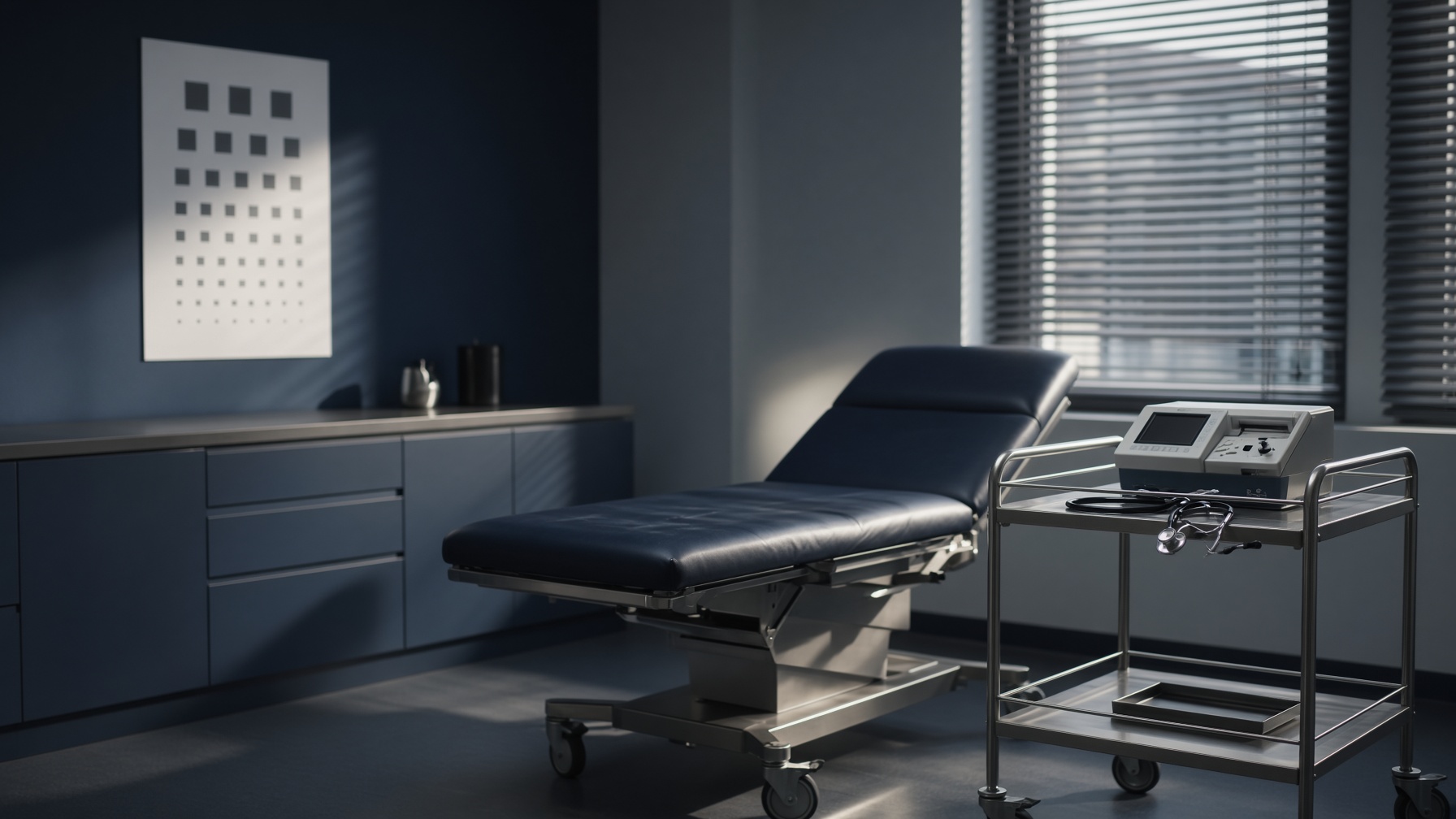
A Class 1 medical for pilots is the gate. Not the first solo, not the school tour, not the cadet video. If you cannot hold the certificate for the authority you will train under, the rest of how to become a commercial pilot is theory. Book an authorised Aviation Medical Examiner before a deposit. This note is a briefing, not medical advice. Only the examiner issues the paper. For living questions, use the founder’s Facebook page.
What a Class 1 medical for pilots actually includes
Think of the appointment as a public-safety audit, not a sports physical. The examiner is asking whether you can operate an aircraft without becoming the emergency. Typical blocks: history and medication list, vision and colour, hearing and ears, cardiovascular (ECG, blood pressure), blood and urine, neurological history, and mental health. Height, weight, and BMI are recorded because airlines still set reach and body-size filters even when the certificate does not.
Class 2 is enough for a private licence. It is the wrong appointment if the goal is paid flying. Bring glasses, contact-lens details, surgical reports, and every tablet you take. Concealment is a career-ending finding. A declared, stable condition is a conversation. The standing list is on the medical page.
Vision, hearing, and colour
Distance vision is usually 6/6 or 20/20 in each eye, with glasses or lenses if needed. Near vision is typically 20/40. Most well-healed LASIK and PRK are acceptable after the regulator's waiting period — months, not days, and the report comes with you. Do not buy refractive surgery as a shortcut without asking the AME first; some procedures and residual errors still defer.
Colour perception must be enough for lights and charts. Ishihara plates are the common screen. Failing plates is not automatically a hard stop: some authorities allow operational colour-vision tests or lanterns. Failing every accepted test is a hard stop. Hearing is pure-tone audiometry. You must hear radio and warning tones. Chronic ear disease and uncontrolled sinus problems need a specialist letter. A cold on the day can waste the slot; reschedule rather than hope.
Heart, blood, urine, and BMI
Expect an ECG, blood pressure, and a cardiovascular history. Undeclared hypertension, some arrhythmias, and a recent heart event are the items that stop careers — not a single gym-day pulse. Implanted defibrillators and significant unrepaired heart disease are typically incompatible with Class 1. Well-controlled blood pressure on acceptable medication is often workable. 'Acceptable' is authority-specific.
Blood and urine look at anaemia, glucose, lipids, kidney and liver markers, and drugs of abuse. Insulin-treated diabetes is typically incompatible with Class 1. Some oral regimes are allowed under some authorities and not others. A failed drugs-of-abuse screen is a hard stop. BMI is recorded. Obesity alone is not always disqualifying, but it drags cardiovascular risk and sleep-apnoea questions into the room. Cadet adverts still print height and BMI even when the AME does not.
Mental health and neurology
Depression, anxiety, ADHD medication, and any psychiatric admission are reviewed, not automatically fatal. Concealment is what ends the certificate. Tell the truth on the form. Psychosis, bipolar disorder in many authorities, or a recent suicide attempt are in the hard-stop column. ADHD treatment is authority-specific: some stimulant regimes close the door. Do not stop a prescribed medicine in secret to 'pass' a morning appointment.
Neurology is unforgiving on paper. Epilepsy or an ongoing seizure disorder is typically disqualifying. Unexplained syncope still needs a story and tests. Head injury with loss of consciousness and unexplained blackouts trigger extra reports. If this paragraph is about you, a confidential pre-consult with an AME is cheaper than a year of lessons. It is also kinder than finding out after the student checklist is already ticked.
Who issues it — the AME, not a GP
Only an authorised Aviation Medical Examiner issues a Class 1, and only for the authority they are designated under. FAA AME, EASA aero-medical centre (AeMC), GCAA, PCAA, CAA Oman, DGCA — pick the stamp that matches the school. A family doctor letter is supporting evidence. It is not a certificate.
Match the examiner to the licence. An FAA first-class medical does not let you start an EASA integrated ATPL. A PCAA Class 1 does not automatically satisfy GCAA cadet entry. If you will train in one country and apply in another, ask the AME that question on day one. The path note puts this in front of school choice for a reason.
Validity periods: FAA vs EASA vs GCAA
Treat validity as a roster item. Under EASA-style rules, Class 1 is commonly twelve months below age 40 and six months from 40 for commercial air transport. GCAA Class 1 follows similar age banding for airline work; renew in the UAE on GCAA terms. PCAA and CAA Oman have their own calendars — diary what is printed on your certificate, not what a classmate quoted.
FAA first-class medical is age-banded and privilege-banded. For ATP-privilege airline flying it is shorter than students expect once you pass 40, and a first-class can fall back to second-class privileges when the first-class window closes. That fallback does not help a cadet who needs first-class to start. Do not mix FAA durations with EASA advice. Expired paper grounds you. A grounded week in an integrated course still costs.
Common deferrals versus hard stops
A deferral is a pause for more data. A hard stop is a condition that, under current rules, will not produce a Class 1. Forums collapse those two into 'I was rejected.' They are not the same. Deferrals are common. Hard stops are fewer, and they are why you sit the exam before the invoice.
- Often workable if declared and stable: glasses or contacts to standard, most LASIK/PRK after the waiting period, mild treated asthma, well-controlled blood pressure on accepted drugs, old fractures that do not limit rudder or reach.
- Common deferrals: incomplete surgical notes, a noisy ECG that needs cardiology, raised glucose that needs a series, colour-plate failure pending an operational test, a mental-health history that needs a specialist letter.
- Typical hard stops: insulin-treated diabetes, epilepsy or ongoing seizures, psychosis or many bipolar histories, substance dependence or a failed drug screen, implanted defibrillator or significant unrepaired heart disease, colour vision that fails every accepted operational test.
Authorities differ. A 'no' on a forum is not a certificate. A lie on the form is. If you are in the hard-stop column, an AME can still tell you whether any pathway exists. Do not pay a school to find out. The fit check is a lifestyle screen, not a medical; it does not replace this appointment.
How to prepare and what the exam costs
Preparation is paperwork and sleep, not a crash diet. Book an examiner who actually issues the Class 1 you need. Take photo ID, glasses, a medication list with doses, surgical and psychiatric reports, and previous certificates if you have them. Do not attend dehydrated or with a heavy cold. If you use ADHD medication, antidepressants, or insulin, say so when you book.
- Initial Class 1: typically $100–$600 depending on country, plus specialist reports if deferred.
- Renewals: often cheaper than the initial, still not free, and more frequent after 40.
- Extra tests (cardiology, HbA1c series, psychiatry, colour lantern): budget hundreds more.
- Time: a clean initial can be a morning. A deferral can be weeks. Do not schedule a school start the next day.
Line items sit on the costs page. The exam is one of the cheaper hours you will buy. The expensive version is the same exam after a non-refundable ATO deposit. Students comparing South Asia and the Gulf should also read training in Pakistan, India, and the Gulf because the AME you need is the one for the licence you will hold.
What happens if you fail
If the examiner refuses or the authority will not issue, the commercial path under that regulator stops. You can seek a second opinion from another authorised examiner, appeal through the authority's process, or ask whether a different class or state has a route. None of that is a school problem. Do not let a counsellor 'hold your seat' while you appeal. Holding a seat is how deposits evaporate.
A fail is not a moral judgement. It is a public-safety line. Some people re-enter years later after surgery, a stable period off a drug, or a protocol change. Some people do not. Both outcomes are real. A trial lesson on a private medical can answer whether you even like the aircraft — see the first flying lesson — but it does not reopen Class 1. Be wary of anyone selling 'medical guarantee' packages. They cannot bind an AME.
Do not pay a school first
The order is medical, regulator, school, hours. Reverse it and you fund someone else's cash flow. Integrated ATPL deposits are large. Cadet bonds are contracts. Neither is refundable because you discovered insulin-treated diabetes in week three. Book the Class 1. If it issues, pick FAA, EASA, GCAA, PCAA, or CAA Oman on purpose. Then walk an approved apron. The checklist exists so this paragraph is not a surprise.
This is not medical advice and it is not a diagnosis. Standards move. Only an authorised examiner can tell you what they will sign. If a condition is in play, pay for a pre-consult. If the certificate issues, go and fly. If it does not, you have lost a morning and a few hundred dollars, not a year. For questions that do not belong on a form, the founder’s Facebook page is the living feed. The medical briefing is the short map.
Questions students actually ask
- Can I start flying lessons before I hold a Class 1?
- You can sit a trial lesson on a Class 2 or, in some clubs, a self-declaration. Do not pay an integrated commercial course on that basis. A Class 1 fail after a deposit is money you will not recover. Take the trial if you need to know whether you hate the aircraft. Take the medical before you buy the pipeline. The trial itself is covered in what to expect on a first flying lesson.
- Does LASIK or glasses fail a Class 1 medical for pilots?
- Usually no, if you correct to the Class 1 standard and the surgery is past the regulator's waiting period. Distance is typically 6/6 or 20/20 in each eye with correction; near vision around 20/40. Bring the operative report. Colour vision is the separate trap. Do not assume a forum 'yes' is your certificate. Ask the examiner who will sign it.
- How long is a Class 1 valid?
- Often twelve months if you are under 40, and six months from 40 for airline operations. FAA first-class for ATP-privilege flying follows age-banded limits and is not identical to EASA or GCAA. Diary the renewal like a checkride. Flying commercially on an expired certificate is not a paperwork footnote. It is illegal, and it is how careers end quietly.
- What if the AME defers me instead of issuing?
- A deferral means more information: specialist letters, a repeat ECG, a glucose series, a psychiatry report. It is not a fail. Do not start an integrated course while you wait. Do not hide the reason from the next examiner. Most deferrals resolve with paper. The ones that do not were going to be hard stops anyway. Wait for the certificate.
- Is this article medical advice?
- No. Standards differ by FAA, EASA, UK CAA, GCAA, PCAA, CAA Oman, and DGCA, and they move. Only an authorised Aviation Medical Examiner can tell you whether you will hold a Class 1. If a condition is in play, book a confidential pre-consult. A briefing site can list typical checks. It cannot issue, defer, or refuse a certificate.
Continue on Class 1 Pilot
More from the blog

Path
How to Become a Commercial Pilot in 2026
How to become a commercial pilot in 2026: Class 1 first, then licences, costs, cadets versus self-funded training, and the traps that waste a whole year.

Path
What to Expect on Your First Flying Lesson
What to expect on a first flying lesson or discovery flight: briefing, walk-around, radio, weather delays, and same-day deposit red flags.

Regions
Pilot Training for Students in Pakistan, India, and the Gulf
PCAA versus DGCA versus GCAA versus CAA Oman: conversion, Gulf cadet nationality, English, full costs, and why waiting on a cadet call stalls careers.